Hitting rock on a Melbourne site cut is common on the basalt plain through Werribee, Melton, Tarneit and Caroline Springs. It is not a disaster if the quote already said what a hammer costs and who stops the machine when the shelf is worse than the allowance.
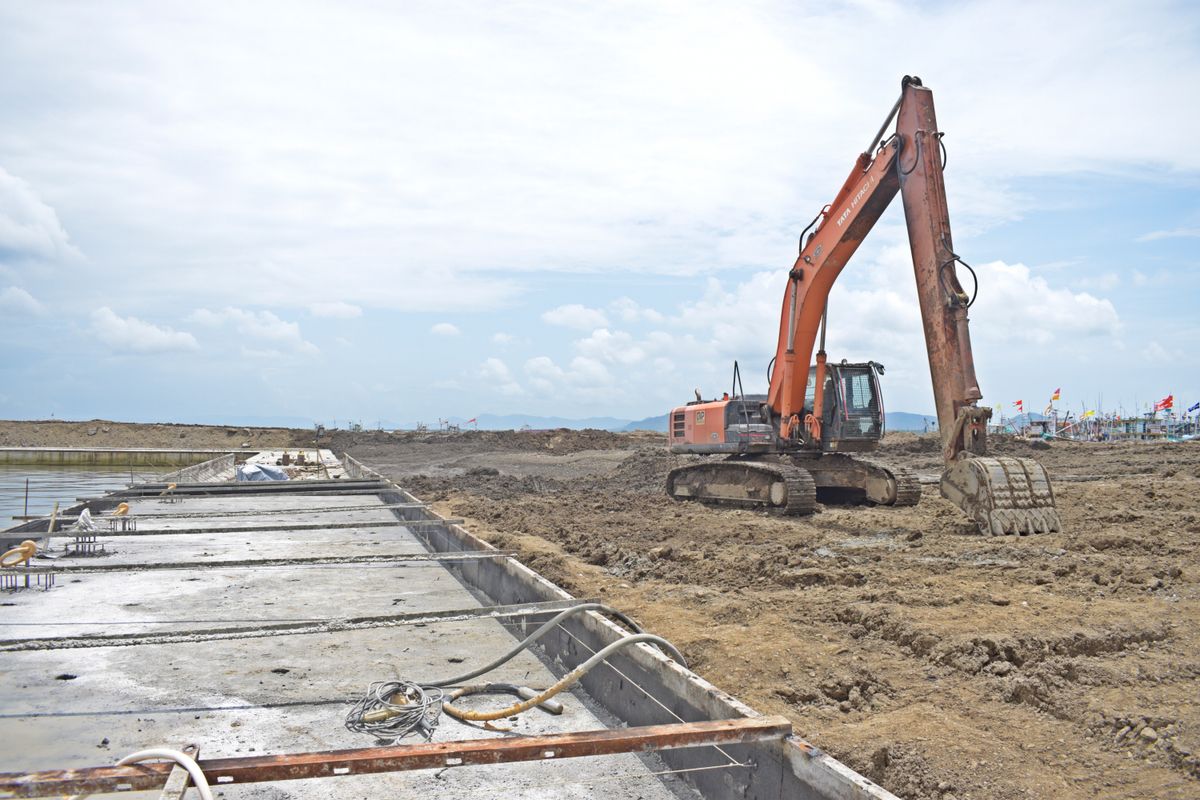
Why the bucket hits rock without warning
Much of Melbourne’s west sits on the Newer Volcanics, the basalt plain. Clay on top, then floaters and shelves of bluestone at depths that move across a single lot. A neighbour’s cut can be clean while yours rings at 300 mm. That is geology, not a contractor inventing a variation for sport.
We see it on jobs out of Melton into Rockbank, Truganina and older Hoppers Crossing blocks, and on footing cuts in estates that were “pre-levelled” and still found rock at the toe of the pad. New estates reduce the bulk cut. They do not repeal the basalt.
The Werribee and Hoppers Crossing note is the suburb version. This page is the pricing version, wherever the plain runs.
Two honest ways to price it
First: an allowance inside the site cut. For example the first portion of breaking is included, and after that an hourly hammer rate applies. The portion should be a volume or a time, not “some rock”. Second: a fixed price for the soft cut, with a written hourly rate if the breaker goes on, and a cap at which we stop and call you.
Both are fair if they are written before the day. “We’ll see on the day” is how a builder hears a number at 10am that was not in the tender comparison. Our site cut quotes use one of those two structures when the suburb makes rock plausible, which on the west is most of them.
A half-day on a stubborn shelf can add a couple of thousand dollars in machine time before the extra carts. That is why the clause exists. It is also why a quote that is thousands below everyone else, with no rock sentence, is not automatically the one to sign.
What the extra often looks like
Across house pads we have cut on the west, rock extras often land in a guide band of $1,500–$6,000. Deep shelves, sloping blocks in Sunbury and Diggers Rest, and cuts that have to chase rock under a footing line go past it. The band is a budget hint. The invoice follows the hours and the loads.
Hammer time on a 14-tonne excavator is often talked about at about $180–$250 an hour in 2026, plus tippers. If our quote to you shows a different rate, the quote wins. Do not hold us to a blog sentence over the page you signed.
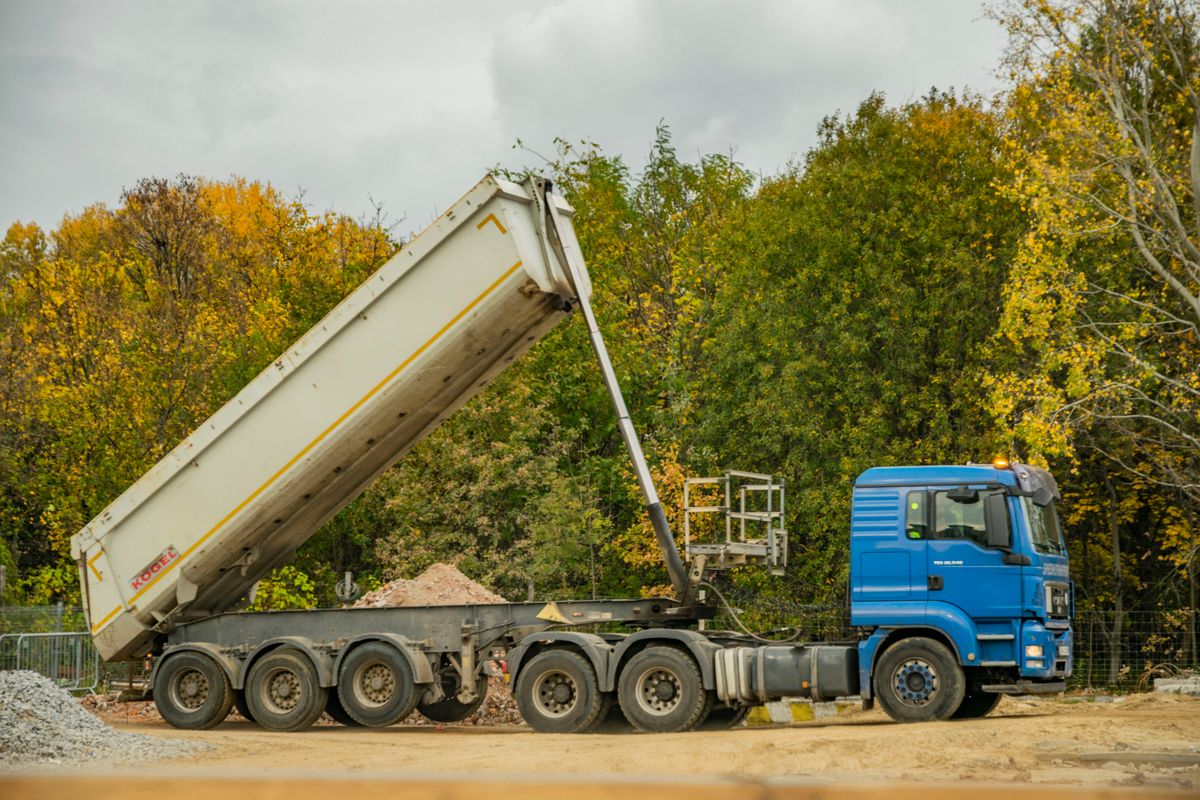
Broken rock weighs more than the clay it replaced. Trucks fill faster on weight. A cart rate priced on fluffy clay understates a shelf. Bundle the spoil removal with the cut so you are not paying a second mobilisation to shift a pile of spalls on Monday.
What to ask before the machine is on the driveway
Get these in the quote, not in a text message after the clanging starts. The hourly rate for the hammer. Whether the first hours or metres are inside the fixed cut. The extra per load if rock replaces soil. Who you call if the running total is about to pass a cap you set. What happens if the engineer changes the founding depth once they see the shelf.
Your building surveyor will usually have asked for a geotech report for the permit. Read it. “Possible rock” means keep the clause. It does not mean cancel the job, and it does not mean the contractor can name any figure they like. The report and the clause should be read together.
If the block is a knockdown, rock under the old slab is still rock. Do not let it hide inside “demolition leftovers”. Concrete from the slab and basalt from the ground are different loads and different hours.
If you have already hit it
Stop guessing from photos of a bucket. Ask for the hours so far, the rate you agreed, and what is left to reach the level. If there was no rate, agree one before more breaking, even if that feels late. More breaking without a rate is how the band becomes a storey.
Then look at the spoil. If the trucks were priced as soil, reset the load assumption. Our truck work page is the ordinary version of that conversation. Rock is the heavier version.
For the next job, send the suburb and the geotech with the cut sheet. Call 0414 011 405 or use the quote form. A boring quote is the goal: it tells you the rate, and it tells you who stops if the shelf gets worse.
FAQ
How much extra does rock add?
On a house pad on the west, breaking rock often adds somewhere in a guide band of $1,500–$6,000, and sometimes more on a deep shelf or a sloping Sunbury cut. The band is wide because shelves are not standard. The quote should show the rate, not only the hope.
What does hammer time cost?
A guide we use in conversation is about $180–$250 an hour for hammer time on a 14-tonne machine in 2026, plus the extra tipper loads. Your quote is the rate written on it, not this sentence.
Can a geotech report rule rock out?
It can tell you rock is likely. It rarely pins every floater. Boreholes miss the shelf under the corner of the garage. Treat the report as a warning, and still keep a rock clause.
Should I pay a higher fixed price to make rock go away?
Only if the fixed price genuinely includes a defined amount of breaking and cartage. A higher number with the same silence is not insurance. It is a larger argument.