Pool excavation in Melbourne is the hole, the shape and the spoil — not the shell, the fence or the interior finish. The pool company sells those. Someone still has to dig to the sheet, cart the clay, and leave a yard the delivery can use the next morning.

Dig to the sheet, not to a brochure depth
The pool builder’s dig sheet is the instruction: length, width, depth, overdig so the shell or the formwork fits, and sometimes a shelf for pipework. We cut that profile, keep the walls as square as the ground allows, and load spoil as we go. A “standard 7 metre hole” quoted from a brochure, without the sheet, is a hole that will be recut when the shell arrives.
Overdig is normal. Random gouges are not. Reactive clay on the west moves, and a pool company will reject a floor that is a bowl of loose mud. If they have a tolerance, send it. We dig to that, not to whatever depth feels deep enough from the yard.
The service page for this work is pool excavation. This article is the detail behind the booking.
Access decides the machine more than the pool length
A fibreglass pool needs a path for either a sensible-sized excavator or a mini excavator plus a way to get spoil out. Side gates, overhead power, a gas meter on the boundary and a crane pad for the shell are all part of the same morning. We walk the yard before a fixed price. Photos help. They do not replace the gate width.
Inner and middle suburbs often mean the truck never enters. Spoil is carried or shuttled to the street. That is the same constraint as a tight access site cut, with the added problem that the hole cannot be “nearly the right shape”. The shell will not flex to suit a battered wall.
Open blocks in Melton, Rockbank and similar yards are simpler: the machine sits in the yard, the truck reverses in or stands at a wide crossover, and the dig is a short day unless rock joins it. Tell us which yard you actually have.
Rock, clay and the loads
The basalt plain does not stop at the back fence. A shelf mid-pool is a hammer job, priced the way we price rock on a site cut: a clear rate, not a shrug. Broken rock is heavy. The tipper fills on weight before it fills on volume, so the load count moves.
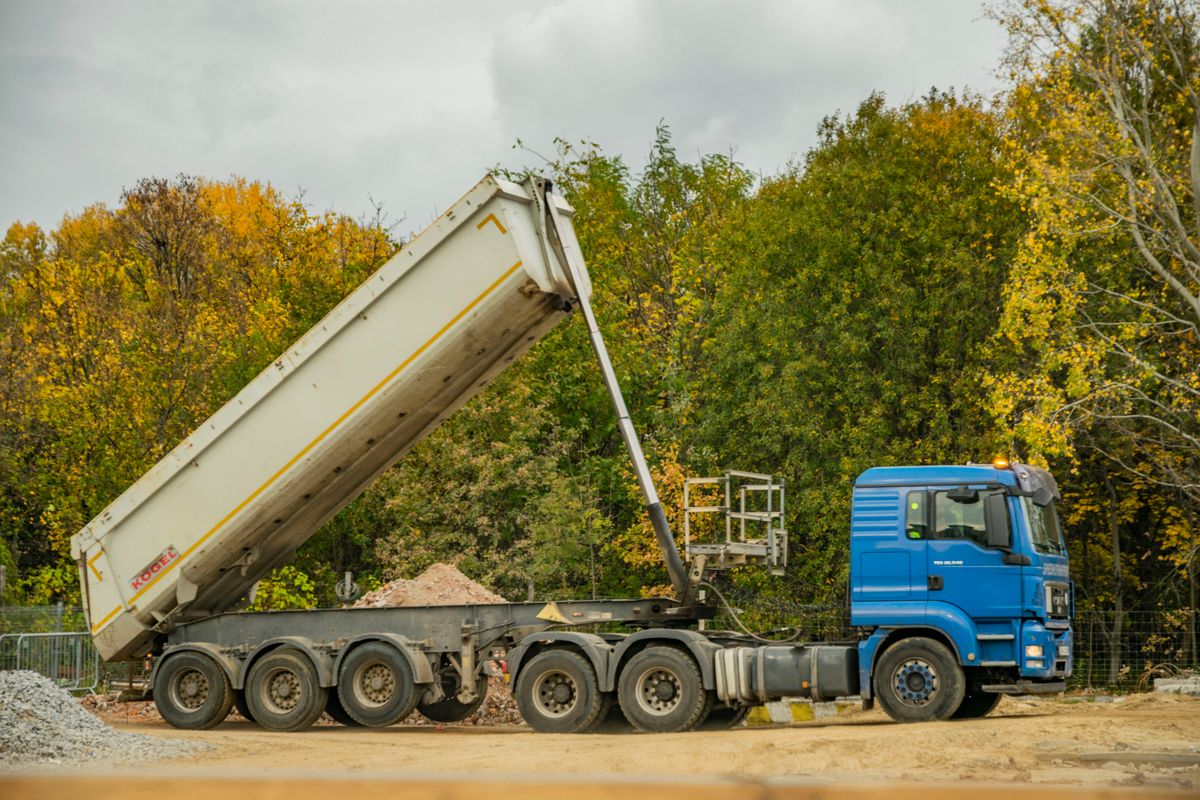
Clay spoil should leave the same day when access allows. A pile in the yard blocks the crane, the plumber and the neighbour’s patience. Our soil removal timing notes explain why “we’ll cart it next week” is often the expensive version. If you want a portion kept for landscape mounds, mark it. Otherwise we take it.
A guide band of about $3,500–$8,500 covers many fibreglass digs in the west and north in 2026 with access that works and spoil included. Concrete pools with deeper digs, tight carries and rock are not that band. Use it to see whether your budget is in the right suburb of reality, then send the sheet.
Time the hole to the shell, not to a free Tuesday
Empty hole plus rain, on western clay, is a collapsed wall and a recut. Most builders want the hole checked and the shell in within a day or two. Book the dig for the window they name, and make sure the excavator, the truck and the delivery are not three different people’s diaries.
We will talk to the pool company about start time when you ask us to. You should still be the one who confirms the delivery, because we do not sell the shell and we will not pretend we control the crane. What we control is being there when the hole is supposed to be open, with enough truck to empty it.
If the pool is part of a new build, do not bury the dig inside the house site cut without a separate shape. The house pad is a level. The pool is a hole below that level. They can be the same week. They are not the same profile.
What to send
The dig sheet PDF, the suburb, the gate width, and a photo down the side. Say whether all spoil goes or some stays. Say if a knockdown has just finished and the yard is still full of rubble — we dig soil, we do not inherit a demolition pile unless that pile is in the quote.
Fixed price suits pool digs because the shell size is known, until rock appears. The rock clause should be in the fixed price, not after it. Call 0414 011 405 or use the quote form.
Measure the side gate before you call. A surprising number of pool quotes fail on a gate, not on the depth of the water.
FAQ
What does a pool dig include?
The excavation to the dig sheet: length, width, depth, overdig for the shell, and a bench if the plumber needs one. Spoil loaded and taken away when that is in the quote. Not the shell, the crane, or the coping.
What do pool digs often cost?
A fibreglass shell dig in Melbourne’s west or north, with ordinary access and spoil removed, often lands about $3,500–$8,500 as a 2026 guide. Tight side gates, rock and a long carry to the truck sit above that. It is a guide only.
How wide does the side gate need to be?
Measure it. A mini excavator and a spoil shuttle fit where a larger machine will not. Point Cook and knockdown yards with a 2.4 m side fence are a different job to an open Melton backyard. Photos with a tape are the start; we still want to see the gate.
When should the hole be dug?
As close to shell delivery as the builder asks, often the day before or the morning of. An open clay hole in the rain collapses. We coordinate the start with the pool company so you are not paying standby.