Septic tank removal in Melton, from our side of the fence, is an excavation and cartage job. A plumber or other licensed trade disconnects and pumps out what they are engaged to pump. We dig the tank and the ground around it, and we only cart a load once the quote says where that load is allowed to go.
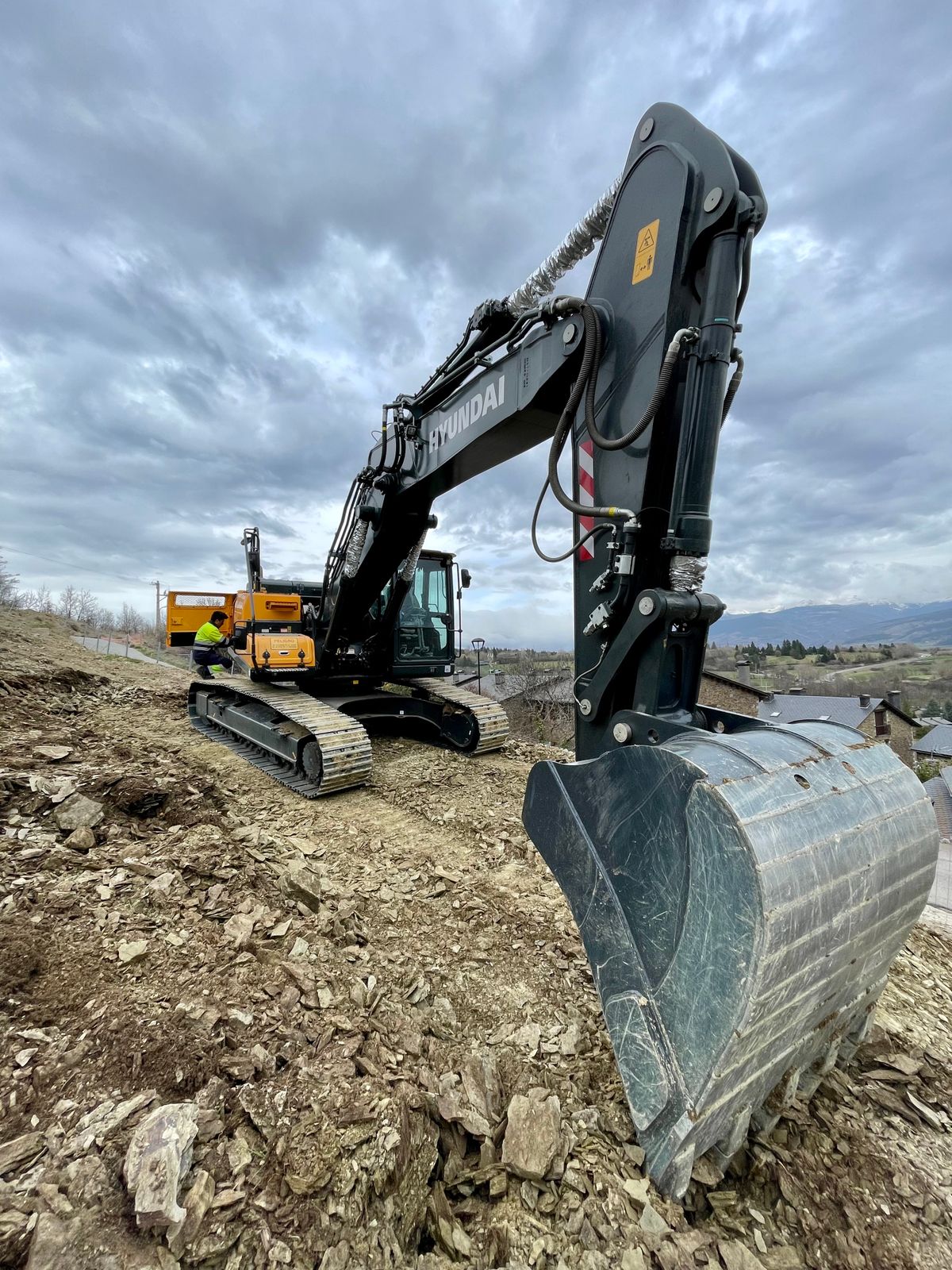
Our scope is the hole and the load
Older Melton properties, and blocks that were rural before the estate arrived, still have a concrete septic in the back yard. The new house cannot sit on it, and the new sewer connection does not make the old tank disappear. Someone has to expose it, lift or break it, and take away what comes out of the hole.
That digging is earthworks. It suits the same crews who do site cuts and trenching, because it is a machine, a hole, and trucks. It does not suit a quote that says “allow to remove septic” with no depth, no access and no destination for the load.
We need the plumber’s timing. If the tank is still live, we are not the crew that pumps it. If the inlet and outlet are still connected, we are not the crew that cuts them over. Put those names and dates in the program. The excavator should arrive when the tank is empty enough to handle and the yard is open.
How the dig usually runs
We locate the lid from your photos or a walk-over, then open enough ground to see the shell. Many tanks are shallower than owners expect. Some have been built over with a deck, a shed slab or a garden bed of fill, so the first half-hour is uncovering, not lifting.
The shell is concrete more often than plastic on the older blocks we see. Breaking it in the hole and loading it is common when a crane truck cannot stand in a back yard. The surrounding soil may be stained. Stained soil is not automatically “ordinary spoil”, and it should not be blended into the site-cut clay without someone agreeing the receiving site will take it.
The hole is then backfilled to the instruction on the quote: left open for the new sewer or the cut, or filled with material we name. A hole left open on a block where children or a concreter will walk the next day needs a cover or a fence. Say which you want. We will not assume the temporary fence from the demolition is still doing that job.
When it is part of getting to slab level
On a knockdown or a vacant block, the tank often sits inside the new building area or just outside it, in the way of a sewer trench or a cut batter. Doing it as a separate Saturday “while you are in the area” sounds efficient and usually is not. The spoil stream, the plumber and the cut levels need one program.
If the site cut is already booked, add the tank as a line before the day is locked. Opening the tank mid-cut stops the pad, mixes loads, and puts a truck on the street that was meant to be carting clean clay. If there’s an old house on the block, it needs to be demolished and cleared before the site cut, and the quote should say whether the tank comes out with that clearance or with the dig.
Roots, old pipes and the tank often occupy the same corner. We can take them in one visit if the quote says so. We cannot take them in one visit if the only instruction is “level the block” and the lid appears under the bucket.
What we will not guess
Old septic and underground tanks are decommissioned in line with EPA Victoria and local council requirements, and we'll tell you up front if a licensed plumber's sign-off is needed for your site.
We will not point the truck at a paddock, a neighbour’s clean fill, or a facility that has not accepted the material. Spoil and waste are taken to licensed recycling and disposal facilities in Melbourne's west, with clean fill, rock and concrete separated for reuse wherever possible. Illegal dumping is not a cheaper version of soil removal. Our soil removal quotes are for loads a facility will take.
If the tank might have held fuel, oil, chemicals or anything other than domestic wastewater, stop and identify it. Send a photo of the lid and any stencil. We would rather decline the cartage than break an unknown vessel and discover the load on the truck.
What to send
The address, photos of the yard and the access, and where you think the tank is. Whether it has been pumped. Whether the block is also being cut for a new house, and the week you need both done. The width of the side gate if we cannot come in off the street.
Call 0414 011 405 or use the quote form. If demolition or a wider clearance is part of the same block, say that in the same email so the tank is not priced twice, once as “clearance” and once as earthworks, with neither crew owning the pump-out.
A rural block past the estates, toward Bacchus Marsh or the older Melton fringe, may have a longer haul and a softer track. Mention the track. A price built on a sealed driveway does not survive a wet laneway.
FAQ
Do you pump out the septic?
No. Pump-out and disconnection are for the plumber or the contractor engaged for that part. Book them before the excavator. We dig once the tank is ready to come out and the disposal of what we load has been confirmed.
Can the tank removal be part of a site cut?
Yes, if it is written into the same earthworks quote. The hole, the broken tank and the surrounding soil are extra to a simple pad cut. They should be their own lines so the slab level is not subsidising a waste load.
Where does the old tank go?
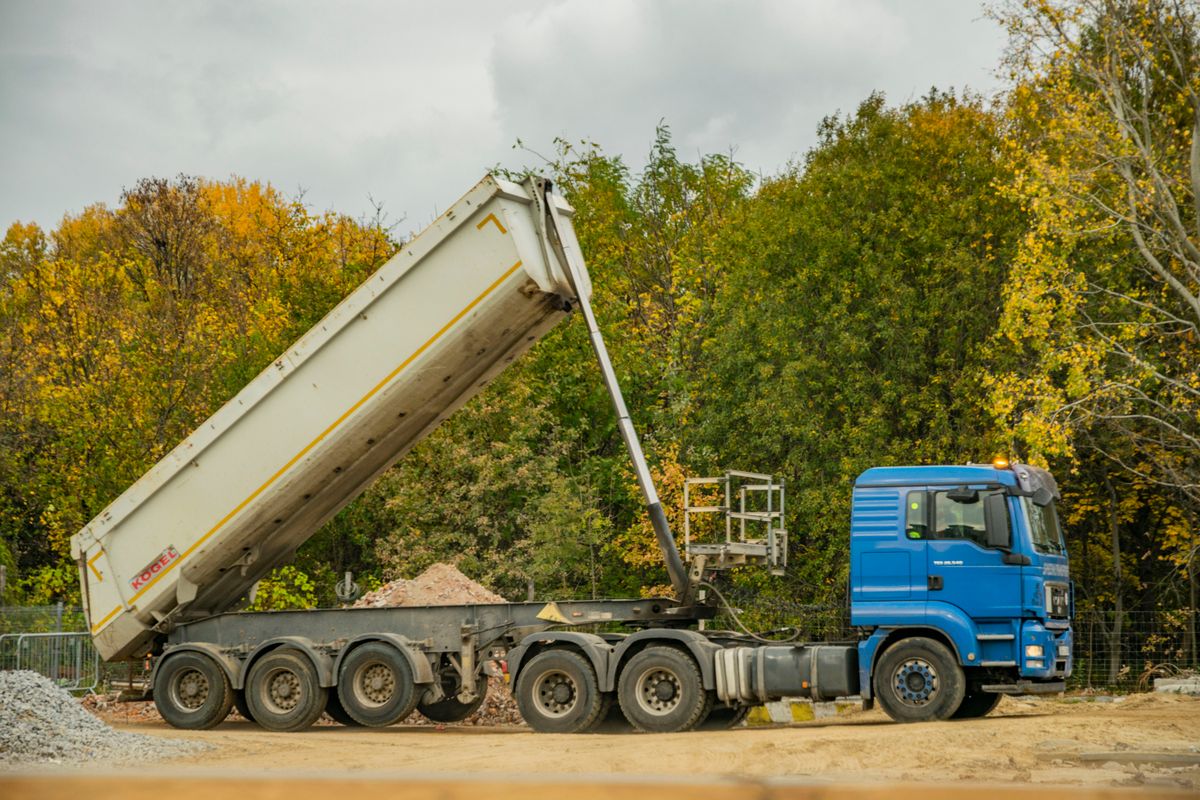
Spoil and waste are taken to licensed recycling and disposal facilities in Melbourne's west, with clean fill, rock and concrete separated for reuse wherever possible.
What if we are not sure it is a septic?
Say that. Old water tanks, grease traps and fuel tanks are not the same load. If there is any chance of fuel or another industrial residue, stop and get it identified before we quote the cartage. We will not treat an unknown tank as clean fill.