A knockdown rebuild site cut in Melton is priced on the ground you will actually dig, not on the house that is still in the photo. Once the structure and the rubble in the demolition scope are gone, we cut to the engineer’s levels, cart the clay, and leave a pad the concreter can use. If the house is still standing, that first half is not an earthworks line.
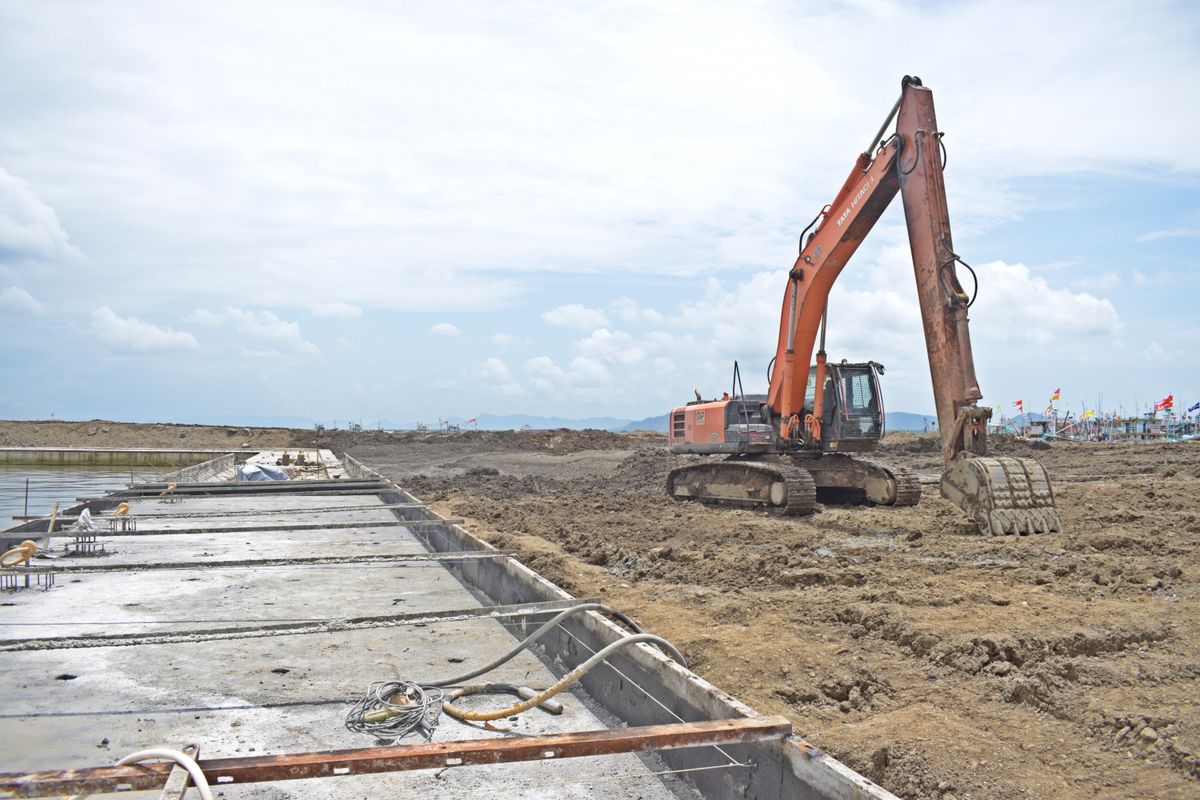
Start the cut on a clear block
Melton knockdowns sit on the same basalt plain as the new estates around Rockbank and Aintree, but the block behaves differently. An estate lot is often handed over near grade with a known crossover. A knockdown has had a house, a driveway, a sewer branch and decades of fill. The new design still needs a pad at a set level. That is the earthworks. It is not “clean up whatever is left”.
We look at three things before we put a number on a site cut. First, is the demolition scope finished, including the slab if the slab is meant to go. Second, what do the drawings say the finished cut level is, and how that compares with the ground we can see. Third, can a tipper work the street or do we shuttle with a smaller machine. Those three decide the crew and the days, more than the floor area of the old house.
Builders who send a demolition photo and ask for a site-cut price the same afternoon usually get a range with exclusions, not a fixed figure. The exclusions are the honest part. Rock, buried concrete, and a truck that cannot enter are the lines that move the invoice if they were never in the quote.
What is usually still in the ground
After a house comes down, the pad is rarely bare dirt. Strip footings, a thickening under an old wet area, a stormwater line to the legal point of discharge, and roots from a tree that was “just a stump” all sit inside the new building area. If the demolition scope stopped at the slab surface, that buried work is still there when we arrive.
Say so in the email. A footing we expected is a slower cut. A footing nobody mentioned is a phone call mid-morning and a machine standing while someone decides whether it stays. The same applies to a filled swimming pool or a septic that the vendor disclosure mentioned and the tender set ignored. We can dig it. We cannot invent the disposal path or the classification. That is confirmed before the load leaves the street, not after.
Old services are a hold point, not a surprise to be “worked around”. Power, gas and water need to be disconnected by the trades who own that work before either crew cuts into them. We do not publish a disconnection procedure here. Put the date it will be done in the program you send with the address.
Levels, clay and rock on a Melton pad
The cut follows the engineer or the surveyor, not the memory of how flat the old yard felt. Many Melton rebuilds only need a few hundred millimetres taken off a building platform that was already close to level. That is still a cut-and-cart job because there is nowhere useful to stockpile, and the clay swell on the west means the truck volume is larger than the bank measure.
Rock is the usual argument. Floaters and shelves show up under houses that never had a geotech borehole in the right corner. Our quotes say how rock is handled — an allowance, then a breaker rate and extra spoil loads — the same way we write it on a greenfield site cut that hits rock. A knockdown does not get a vague “we’ll see” any more than a new estate lot does.
Spoil from the cut is clay, fill and broken rock. It is not the brick and timber from the house. Those streams are priced apart so the demolition clearance and our soil removal are not arguing about the same pile. If you want one coordinator, send one pack. You will still see two scopes.
Tippers, crossovers and older Melton streets
Newer estates around the Melton growth corridor have rules about mud on the road and where a truck may stand. Older streets closer to the town centre are often narrower, with a power line, a nature strip tree and a neighbour’s car in the only gap. Both are normal. They are not the same truck plan.
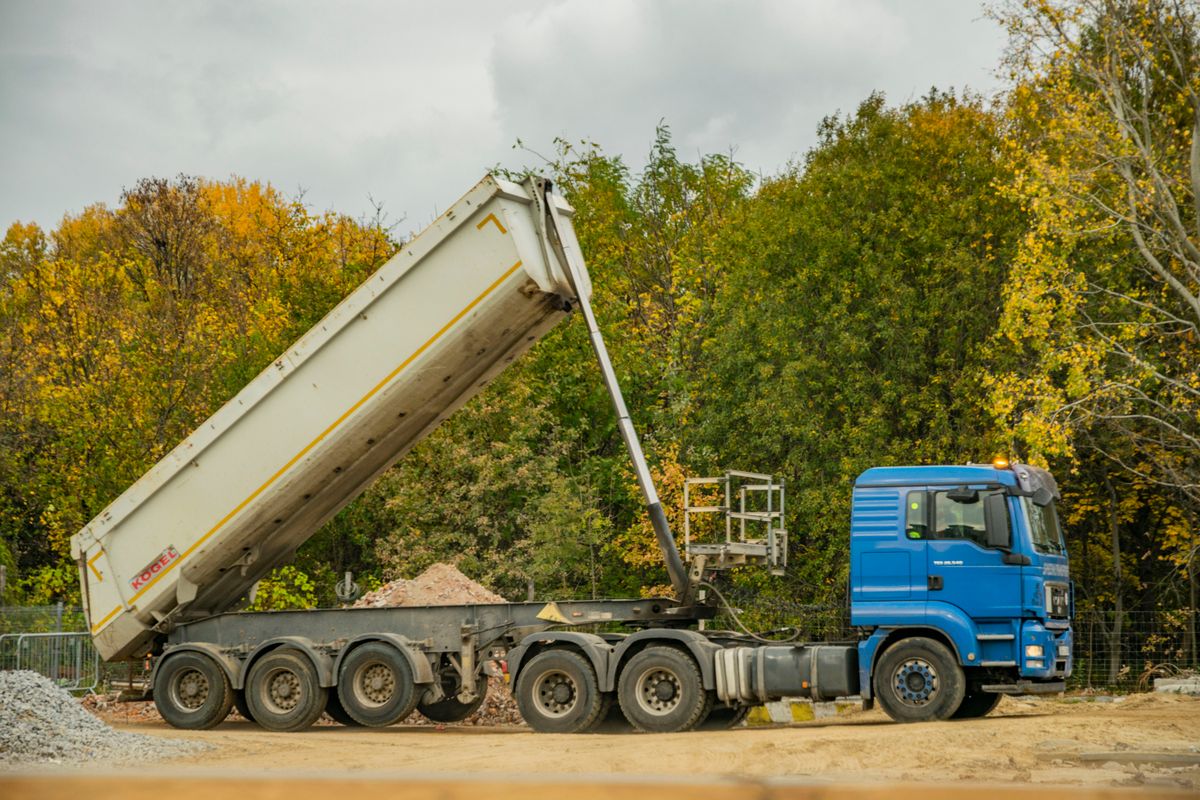
If the tipper cannot reverse in, the excavator loads a smaller machine or the truck stands on the street for a shorter window. That is fewer cubic metres per hour, so the day rate and the load count in the quote change. Photos of the frontage, taken from the opposite kerb, save a site visit that only confirms what you already knew.
Estate crossovers and council bonds are the builder’s problem to protect, and our problem not to wreck. We track out and load tight. We do not promise a bond release. If the estate has a written rule, send it with the cut sheet.
What to send for the earthworks half
Address, slab week, and whether demolition is already booked. Photos of the house, both sides, and the street. The cut sheet or a note that levels are still with the engineer. A one-line list of what is buried if you know it. Gate width if the machine has to come down the side rather than the front.
That pack is enough for us to price the cut. If there's an old house or shed on the block, it needs to be demolished and cleared before the site cut. Structure and rubble come off first, then levels, then spoil off the block.
Call 0414 011 405 if the program is already tight. A quote that arrives after the concreter has booked the pump is not a plan. It is a delay with a number on it.
FAQ
Can you site-cut a Melton block while the house is still up?
Sometimes a small test hole is useful. A full pad cut around a standing house is a different job: less room, more double-handling, and rubble mixed with clay. We would rather cut after the knockdown handover.
Does the site cut quote include the house demolition?
No. Earthmoving Melbourne quotes the cut, spoil, rock allowance and any trenches in our scope. If a house is still standing, it needs to be demolished and cleared before that cut.
What slows a Melton knockdown rebuild cut?
A slab or footing left in the pad, rock under the old house, a narrow side street with nowhere to stand a tipper, and levels that arrive after the machine is booked.
How early should the cut be booked?
Once you have a slab week and a demolition window. Winter clay on the west needs a weather day in the program. Booking the week the house comes down is usually late.